
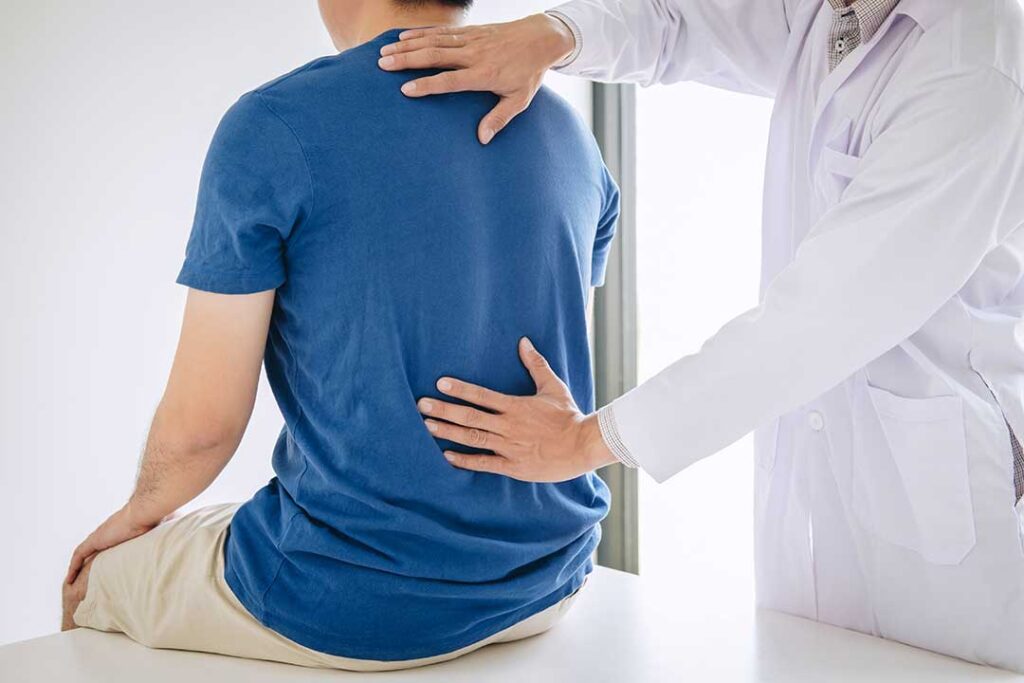
Sciatica is nerve-related pain that commonly travels from the lower back or buttock into the thigh, calf, or foot. It may feel sharp, burning, electric, numb, or tingly. In Johnson City, NY, symptoms may become more noticeable after long periods of sitting, winter shoveling, lifting, or reduced activity during colder months.
Natural remedies can reduce irritation and help restore movement, but they do not replace medical evaluation when symptoms are severe, worsening, or associated with weakness or bladder changes.
What causes sciatica?
Sciatica usually occurs when a nerve root in the lower spine becomes irritated or compressed. A bulging or herniated disc is a common cause, although age-related changes, narrowing around the spinal nerves, or inflammation can also contribute. The term describes a pattern of symptoms rather than one specific diagnosis. ([mayoclinic.org](https://www.mayoclinic.org/diseases-conditions/sciatica/symptoms-causes/syc-20377435?lt=&p=1&utm_source=openai))
Pain often affects one side and may extend below the knee. Some people experience numbness, pins-and-needles sensations, or weakness in the leg or foot. Pain that stays only in the lower back is less typical of sciatica.
Should you rest or keep moving?
For most uncomplicated cases, gentle movement is more helpful than prolonged bed rest. Short periods of comfortable rest are reasonable during a painful flare, but lying down or sitting for much of the day can increase stiffness and make it harder to resume normal activity. Guidance from neurological and public health sources supports returning to ordinary movement as tolerated. ([nhs.uk](https://www.nhs.uk/conditions/sciatica//?utm_source=openai))
Useful low-strain activities may include:
- Brief walks on level ground
- Changing positions every 20 to 30 minutes
- Gentle movement in a warm-water setting
- Light household activity that does not increase leg symptoms
- Slow, controlled transitions between sitting, standing, and lying down
During snowy or icy weather, indoor walking and frequent position changes can help prevent a sudden drop in activity. Avoid using pain as a reason to push through increasingly severe symptoms.
Can heat or cold help?
Heat and cold may provide temporary relief, although neither addresses the underlying cause. A cold pack may feel useful during the first day or two after a flare, especially if the area feels irritated. Heat may help relax tight muscles and make gentle movement easier. Some people prefer alternating the two.
Use either option for about 15 to 20 minutes at a time, with a cloth barrier between the skin and the pack. Do not fall asleep on a heating pad, and check the skin regularly if numbness makes it difficult to sense temperature.
A warm shower can also be useful before light mobility exercises. The goal is comfort and improved movement, not intense heat.
Which stretches and exercises are safe?
No single stretch is appropriate for every cause of sciatica. A movement that helps one person may worsen another person’s symptoms, particularly if it increases pain farther down the leg.
A cautious routine may include:
- Slow walking for a few minutes
- Gentle pelvic tilting while lying on the back
- Controlled knee movements within a comfortable range
- Light abdominal bracing without holding the breath
- Gradual strengthening after the acute pain settles
Stop an exercise if it causes sharp pain, increasing numbness, new weakness, or symptoms that travel farther down the leg. NHS exercise guidance also recommends obtaining individualized advice when a person has another health condition, a recent injury, pregnancy, or uncertainty about whether an exercise is suitable. ([nhs.uk](https://www.nhs.uk/live-well/exercise/exercises-sciatica-problems/?utm_source=openai))
A useful rule is that mild, temporary muscle effort may be acceptable, but worsening nerve symptoms are a reason to stop and reassess.
How can sitting, lifting, and sleep be adjusted?
Sitting for long periods can aggravate sciatic symptoms, especially when the hips are lower than the knees or the lower back is unsupported. A firm chair, a small rolled towel at the low back, and regular standing breaks may help.
For work, driving, or home activities:
- Keep both feet supported when sitting.
- Avoid slouching for extended periods.
- Change position before pain becomes intense.
- Hold loads close to the body.
- Bend through the hips and knees rather than rounding the back.
- Avoid lifting and twisting at the same time.

Seasonal tasks such as shoveling can place repeated stress on the low back. Smaller loads, frequent breaks, and pushing snow rather than lifting it may reduce strain. If a task requires forceful twisting or heavy lifting, postponing it or sharing the workload may be safer during a flare.
Sleep positions are personal, but side sleeping with a pillow between the knees or back sleeping with support under the knees can reduce strain for some people. A position that causes leg pain, numbness, or tingling should be changed.
Are supplements or herbal remedies useful?
Evidence for supplements and herbal products marketed for nerve or back pain is limited and inconsistent. “Natural” does not automatically mean safe. Some products can interact with blood thinners, diabetes medicines, blood-pressure medicines, or other prescriptions.
Before taking an herbal product, check with a pharmacist or medical clinician, particularly if pregnant, managing a chronic condition, or taking several medications. Food, hydration, regular sleep, and gradual physical activity are generally more dependable parts of recovery than unverified pain supplements.
Over-the-counter pain relievers may help some people, but anti-inflammatory medicines can be unsafe with certain kidney, stomach, heart, blood-pressure, or bleeding conditions. A pharmacist can help determine whether a product is appropriate.
When does sciatica need medical attention?
Seek emergency care for sciatica accompanied by:
- New loss of bladder or bowel control
- Difficulty starting urination or inability to urinate
- Numbness around the genitals, buttocks, or inner thighs
- Severe or rapidly worsening weakness
- Significant numbness or weakness in both legs
- Symptoms after a major fall, crash, or other serious injury
These warning signs can indicate serious nerve compression and should not be managed with home remedies alone. ([guysandstthomas.nhs.uk](https://www.guysandstthomas.nhs.uk/health-information/low-back-pain?utm_source=openai))
A routine medical evaluation is also appropriate when pain is severe, continues to worsen, interferes with walking or sleep, or does not begin improving after several weeks of self-care. Fever, unexplained weight loss, a history of cancer, or persistent nighttime pain also warrant prompt assessment. ([mayoclinic.org](https://www.mayoclinic.org/diseases-conditions/sciatica/symptoms-causes/syc-20377435?lt=&p=1&utm_source=openai))
Most uncomplicated episodes improve with time and conservative care. The practical focus is to remain gently active, avoid aggravating movements, use heat or cold safely, and monitor for changes in strength, sensation, and bladder or bowel function.
