
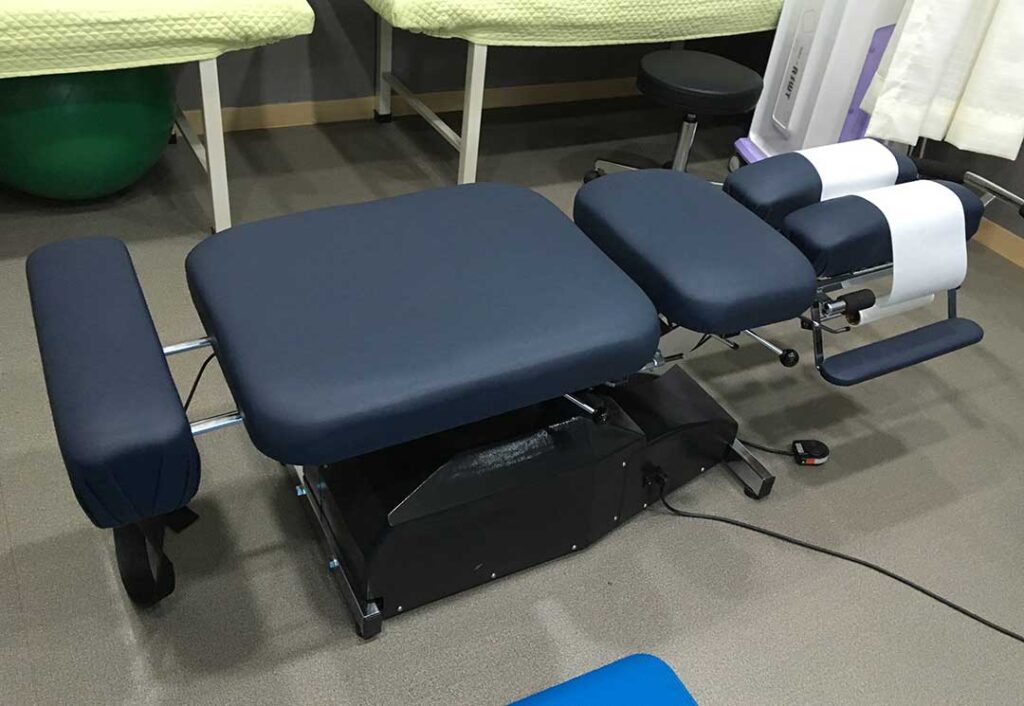
A first chiropractic visit usually includes a health history, discussion of your symptoms, a physical examination, and an explanation of possible care options. Some people receive treatment during the first visit, while others may be asked to complete additional evaluation first.
Knowing what generally happens can make the process feel more predictable, especially if you are visiting because of back discomfort, neck pain, headaches, stiffness, or a movement problem.
What should you bring to the first visit?
Bring a list of current medications, relevant medical conditions, previous injuries, and any imaging or medical records related to the concern. If another clinician has recommended an X-ray, MRI, physical therapy, or other evaluation, that information may help provide context.
Comfortable clothing is useful because the examination may include walking, bending, turning, or moving the arms and legs. Clothing that allows normal movement is usually more practical than restrictive garments.
Before arriving, consider writing down:
- When the symptoms began
- Whether the discomfort is constant or intermittent
- What movements or activities make it better or worse
- Whether pain travels into an arm or leg
- Any numbness, tingling, weakness, dizziness, or balance changes
- Previous treatments and how the body responded
For residents in Johnson City, NY, seasonal activities may also be relevant. Shoveling, slipping on icy surfaces, gardening, home maintenance, long drives, and changes in daily activity during colder months can all affect how symptoms begin or flare.
What happens during the health history?
The first part of the visit is usually a conversation about the main concern and overall health. The practitioner may ask about the location, intensity, timing, and quality of the symptoms.
Questions may cover:
- Previous accidents, falls, sports injuries, or surgeries
- Work, exercise, driving, and household activities
- Sleep position and sleep quality
- Medical conditions such as osteoporosis, arthritis, inflammatory disease, or blood-clotting disorders
- Recent unexplained weight loss, fever, or illness
- Changes in bowel or bladder control
- Current medications and other care already received
This discussion is not limited to the spine. A symptom that feels like a back problem can sometimes be related to a nerve, joint, muscle, or medical condition requiring a different type of evaluation.
Answering questions accurately is more useful than trying to provide the “right” answer. Mention symptoms that may seem unrelated, including fatigue, weakness, numbness, or changes in coordination.
What does the physical examination involve?
The examination is intended to assess movement, strength, sensation, posture, reflexes, and areas of tenderness. The exact process depends on the symptoms and health history.
Possible components include:
- Observing posture and walking
- Checking spinal and joint range of motion
- Comparing strength on both sides of the body
- Testing reflexes or sensation
- Palpating muscles and joints for tenderness or restricted movement
- Performing movements that reproduce or reduce symptoms
The examination should be explained as it proceeds. You can ask what a test is intended to show, and you can say if a movement causes sharp, unusual, or worsening pain.
A chiropractic examination should not feel like a test of flexibility or athletic ability. Limited movement is information, not a failure. The goal is to understand how the body is functioning and whether chiropractic care is appropriate.
Will X-rays or other imaging be required?
Not every first visit requires imaging. X-rays or advanced imaging may be considered when the findings suggest a fracture, significant structural concern, progressive neurological symptoms, a serious underlying condition, or when imaging would change the care plan.
Routine imaging is not automatically useful for ordinary back or neck pain. Findings such as age-related changes can appear in people who have no symptoms and may not explain the problem. Imaging decisions should be based on the individual history and examination rather than used as a standard step for everyone.
If imaging is recommended, ask:
- What question is the test intended to answer?
- How would the result change treatment?
- Are there safety concerns or alternatives?
- Is the imaging urgent or can it wait?

What might treatment feel like?
If treatment is appropriate during the first visit, it may include gentle joint mobilization, a specific adjustment, soft-tissue techniques, stretching, or movement guidance. The approach should match the person’s symptoms, examination findings, preferences, and medical history.
A spinal adjustment may involve a controlled movement of a joint. Some people notice a brief popping sound, while others do not. The sound is not evidence that a bone has been “put back in place,” and treatment does not need to produce a popping sensation to be useful.
Mild soreness, stiffness, or temporary tenderness can occur after unfamiliar physical treatment. Severe pain, progressive weakness, new numbness, loss of coordination, or other concerning symptoms should not be treated as a routine response.
You have the right to ask questions, request a gentler approach, decline a technique, or stop treatment. Consent should be ongoing rather than limited to the beginning of the visit.
What will be discussed before leaving?
The practitioner should explain the working assessment, what may be contributing to the symptoms, and what is still uncertain. A reasonable care plan may include treatment, home exercises, activity changes, monitoring, or referral for another type of evaluation.
Ask for specific guidance about:
- Activities to continue or temporarily modify
- Movements that may aggravate the condition
- Safe use of heat, cold, or over-the-counter medication, when relevant
- Exercises and how often to perform them
- Expected short-term responses
- Warning signs that require prompt medical attention
- When the plan should be reassessed
Be cautious of guarantees, claims that every health problem is caused by spinal misalignment, or recommendations for lengthy care without a clear explanation of the purpose and expected benefit.
When should chiropractic care be delayed or coordinated with medical care?
Certain symptoms call for medical evaluation before routine spinal treatment. Urgent assessment may be appropriate for new loss of bowel or bladder control, numbness in the groin area, severe or progressive weakness, major trauma, fever with severe back pain, unexplained weight loss, or sudden severe pain unlike previous symptoms.
People with conditions such as cancer, infection, significant osteoporosis, recent surgery, fractures, or certain vascular or neurological disorders may need individualized medical guidance. Pregnancy, blood-thinning medication, and recent injuries should also be disclosed before treatment.
A chiropractor may be one part of care, but not every symptom is a chiropractic problem. Coordinated care is especially useful when symptoms are persistent, worsening, or accompanied by signs that extend beyond ordinary muscle or joint discomfort.
How can you judge whether the visit was useful?
A useful first visit should leave you with a clearer understanding of the concern, reasonable next steps, and an explanation of what improvement would look like. Progress may involve reduced pain, better movement, improved sleep, or greater ability to perform daily activities.
Keep track of meaningful changes rather than focusing only on whether the back or neck feels temporarily different. In a community where people may be balancing commuting, household work, winter conditions, and physically demanding routines, practical function is often a more useful measure than a single pain score.
If symptoms do not improve, become more severe, or change in character, the care plan should be reconsidered. A first visit is an evaluation and conversation—not a commitment to a particular treatment or a promise that one technique will solve every problem.
